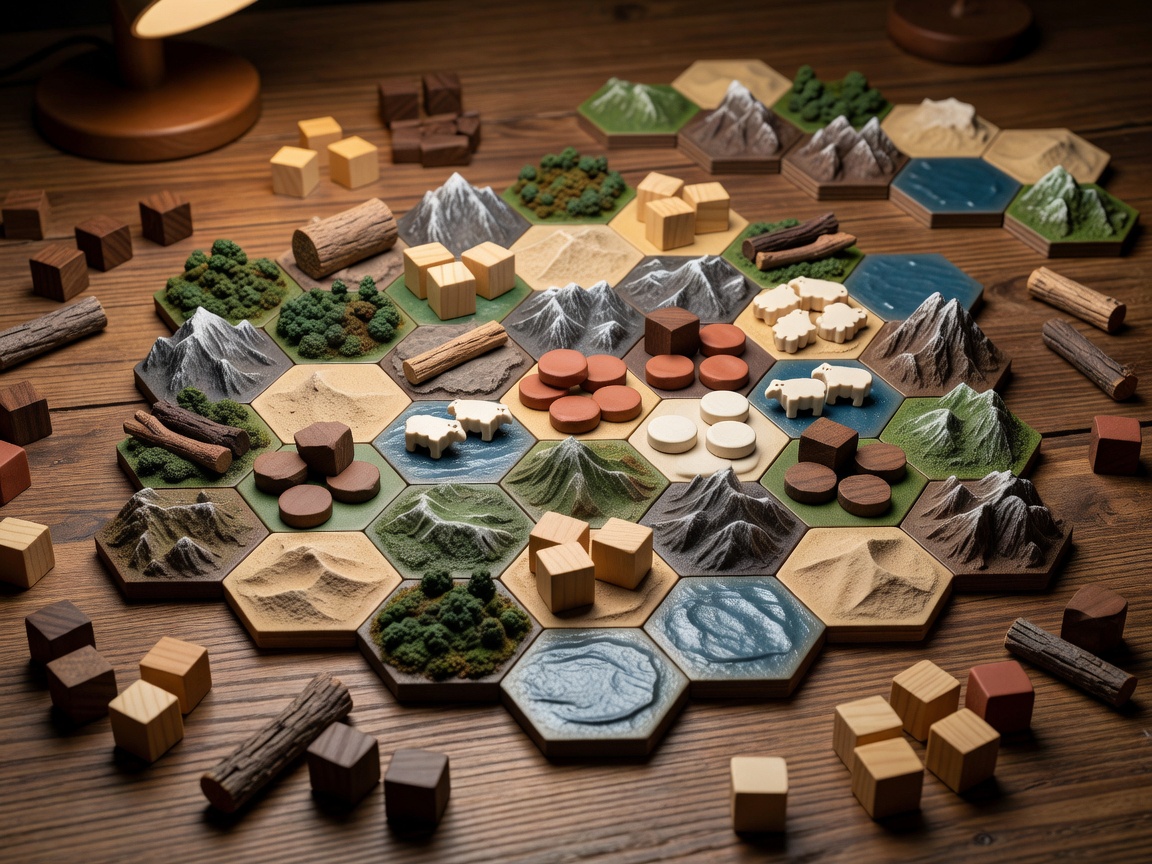
Over the past decade, the traditional definition of a "Eurogame"—historically characterized by low direct player confrontation, indirect worker placement, and victory-point engine building—has undergone a massive transformation. Modern designers are blending thematic storytelling with razor-sharp mathematical mechanics.
1. The Shift Toward Asymmetric Engine Construction
Where classic titles like Agricola and Puerto Rico provided identical starting positions for all players, modern heavyweights such as Ark Nova, Revive, and Voidfall integrate asymmetric faction abilities from minute one. This provides player agency while reducing repetitive opening book strategies.
2. Downtime Reduction and Fast Turn Loops
Nobody wants to wait 20 minutes between actions in a 4-player game. Modern Euro designs favor quick single-action turns. Instead of taking three actions at once, players resolve a single card play or worker placement step, keeping the rotation around the table rapid and engaging.
3. Multi-Purpose Cards and Environmental Interaction
Cards that serve as currency, building requirements, or conditional endgame scoring triggers continue to dominate top-ranked games. This design philosophy maximizes strategic depth while keeping physical table footprint manageable.